Last updated: October 12, 2026
Dress in layers
Neutral colours and a warm layer suit early game drives.
Keep essentials close
Carry medicines, documents and valuables in hand luggage.
Save your checklist
Download the printable packing guide below.
Pack for cool mornings, warm afternoons, dust and the occasional change in weather. A manageable bag and a few useful layers are more helpful than a suitcase full of specialist equipment. This checklist covers safari essentials and beach extras; confirm your flight restrictions and accommodation facilities before deciding what to bring.
Comfortable clothing and layers
Choose lightweight clothing in neutral shades such as khaki, olive, beige or muted grey. Bring comfortable trousers and shirts that allow you to move easily in the vehicle. Long sleeves and trousers can be useful for sun protection and evenings, while a fleece or light jacket helps during early departures.
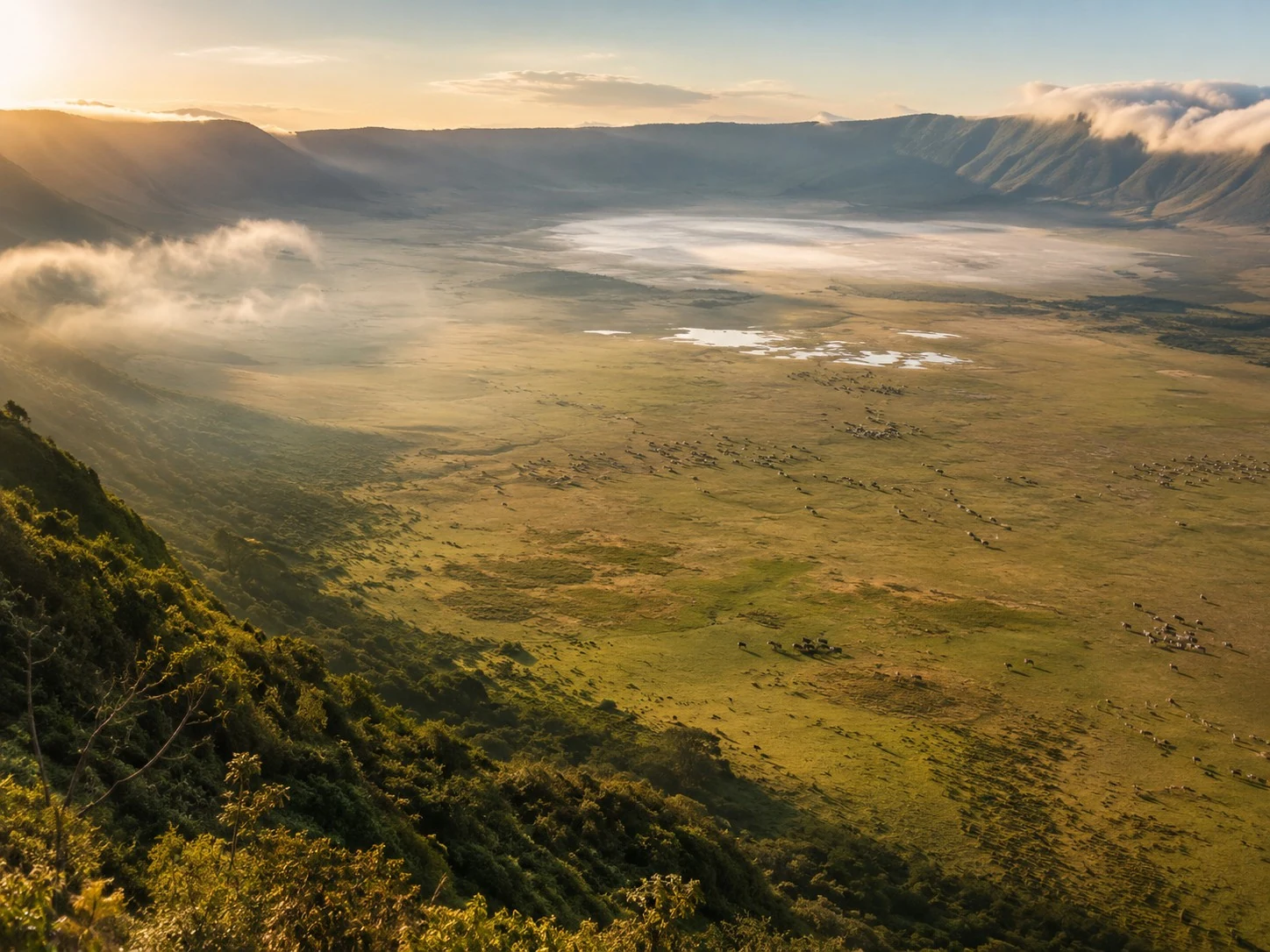
Pack a small rain layer even if you are traveling in a generally dry period. Highland areas around Ngorongoro can feel much colder than the lowlands. Clothing that can be washed and dried easily reduces how much you need. Ask your accommodation about laundry arrangements instead of assuming every camp offers the same service.
Footwear and your everyday bag
Comfortable closed shoes are practical for transfers, camp paths and any permitted walking activities. Bring sandals for your lodge or beach stay. A hat with a secure fit, sunglasses and a light scarf can make long days outside more comfortable. Break in new shoes before the trip.
Keep a small day bag with essentials you want during a game drive: drinking water, sunscreen, tissues, a warm layer, camera equipment and any medication you need that day. Keep it small enough to fit safely in the vehicle without blocking another traveler’s space or access to equipment.
Wildlife viewing and photography gear
Binoculars are worth considering even if you have a camera with a long lens. They help you watch behavior without constantly taking photographs. Bring the camera you know how to use, spare batteries, sufficient memory cards and a simple way to back up important images.
Dust protection matters. Use a camera bag or cover when traveling between sightings and pack a lens cloth or blower suitable for your equipment. Avoid changing lenses unnecessarily in dusty conditions. Tell your guide if photography is a priority so the pace can be discussed, while still respecting other travelers and park rules.
Documents and travel information
Carry your passport, applicable visa documentation, insurance details, flight information and safari confirmation. Save offline copies of meeting instructions and important contacts. Printed copies are useful if a phone battery runs flat or an internet connection is unavailable.
If you need a vaccination certificate for your route, keep it with your arrival documents. Bring any relevant medical letters for prescribed medication, following airline and border rules. Do not pack every important document in checked luggage. Read our entry guide and verify current requirements with the official authorities before departure.
Phones, charging and connectivity
Bring chargers, suitable adapters and a power bank that complies with airline rules. Check the facilities at your accommodation and remember that charging may be limited during some transfers or at remote camps. Keep battery-powered essentials accessible when you need them.
Download maps, reading material, booking documents and music before your safari. Mobile coverage can be intermittent, and accommodation Wi-Fi may not support large uploads. Tell family or colleagues that you may be offline during some game drives. A quieter connection can also be an opportunity to enjoy the place rather than checking your phone constantly.
Toiletries and personal health items
Bring your usual toiletries in manageable quantities, sunscreen, lip protection and insect repellent suitable for you. Keep prescribed medicines in their original packaging with a sufficient supply for the journey. A travel clinic can advise what additional preparations fit your route and medical history.
Pack personal items that may be difficult to replace in remote areas. Carry a small personal first-aid kit if advised, but do not treat a packing list as medical guidance. Seek professional advice about malaria prevention and vaccines before travel. Use our health guide to organize questions for your clinician.
Zanzibar extras and luggage limits
For a beach extension, add swimwear, beach footwear and comfortable clothes suitable for humid coastal conditions. Bring modest clothing for towns, villages and religious sites. A waterproof bag can protect valuables during boat activities, and reef-friendly behavior matters more than collecting marine souvenirs.
If your route uses a light aircraft, check the operator’s weight allowance and bag-shape requirements. Limits differ, so do not assume a general allowance applies. Soft bags are often practical, but confirm with the airline. Share unusual equipment or mobility needs before booking. Download the PDF below, mark what applies to your route and leave room for a few purchases rather than filling every corner.
Safari Packing Checklist
Save or print this concise guide for your pre-departure planning.
Download PDF →Best Time to Visit Calendar
Save or print this concise guide for your pre-departure planning.
Download PDF →Safari Planning Guide
Save or print this concise guide for your pre-departure planning.
Download PDF →Frequently Asked Questions
Do I need specialist safari clothes?
No. Comfortable layers, neutral colors, suitable shoes and practical sun protection are usually more useful than buying a complete specialist wardrobe. Choose items you will enjoy wearing for long travel days.
Can I use lodge laundry to pack less?
Often, but availability, turnaround time and restrictions differ by accommodation. Ask our team to confirm the facilities on your itinerary before depending on laundry between short stays.
What if I am bringing heavy camera equipment?
Tell us before flights are booked. We can ask the airline about allowances or additional arrangements. Keep essential equipment protected and carry it according to the airline’s cabin-baggage rules.
Should I print the checklist?
You can print the PDF or save it on your phone. Adapt it to your exact route, weather, flight limits and personal needs rather than treating every item as compulsory.