Last updated: October 12, 2026
Classic wildlife viewing
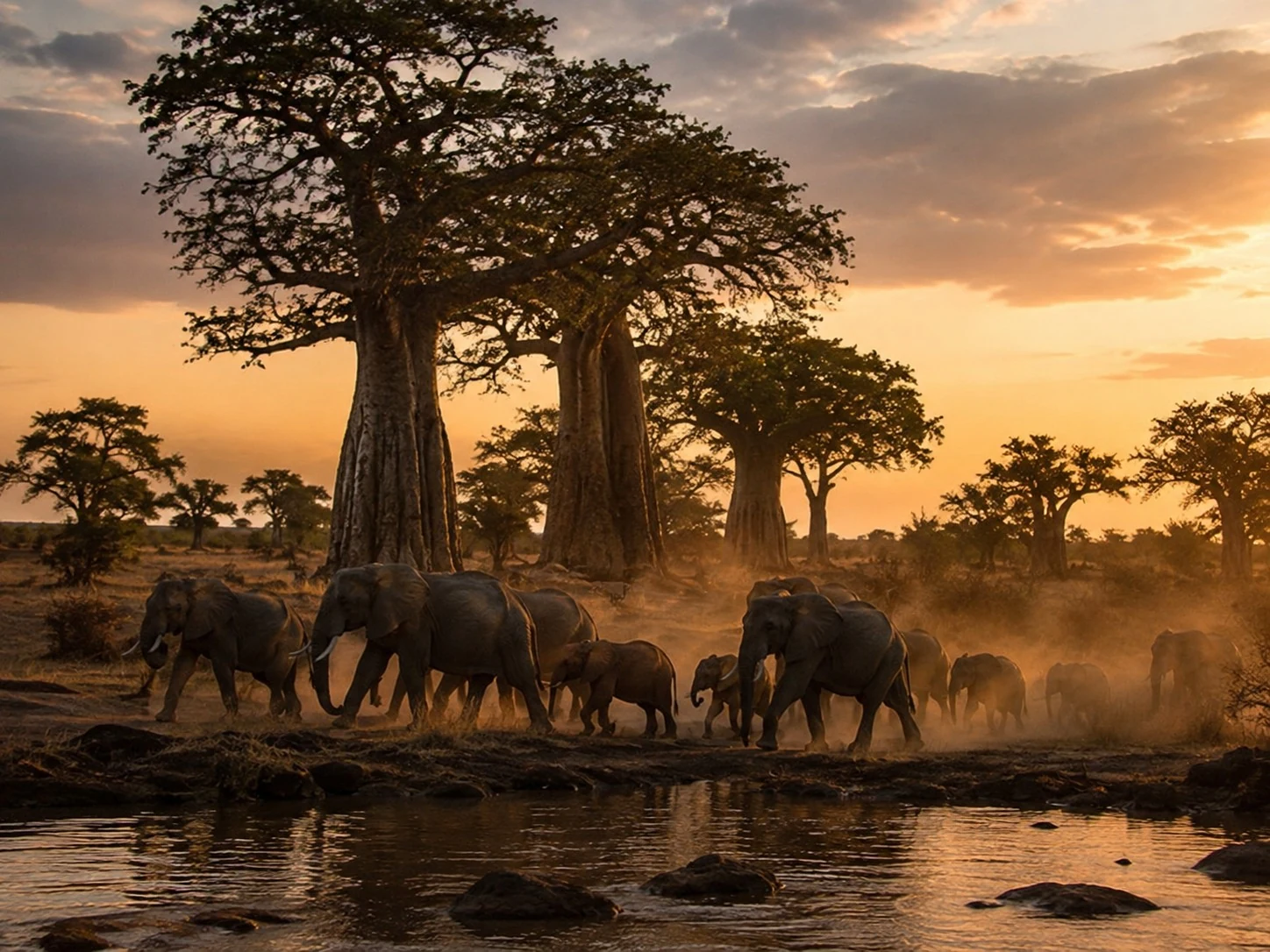
June–October is a useful starting point for a northern safari.
Migration planning
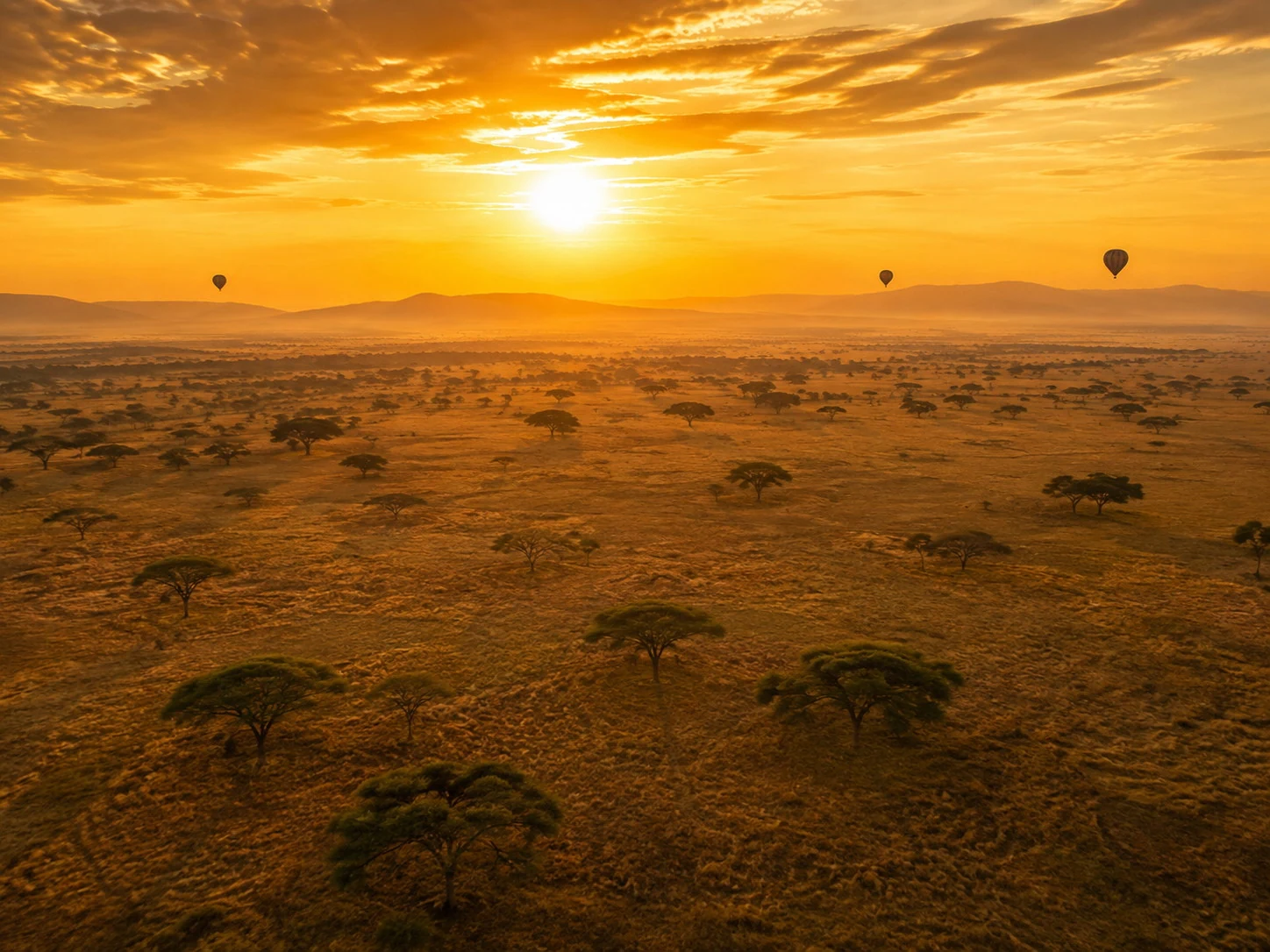
Choose the right Serengeti area; crossings are never guaranteed.
Beach extension
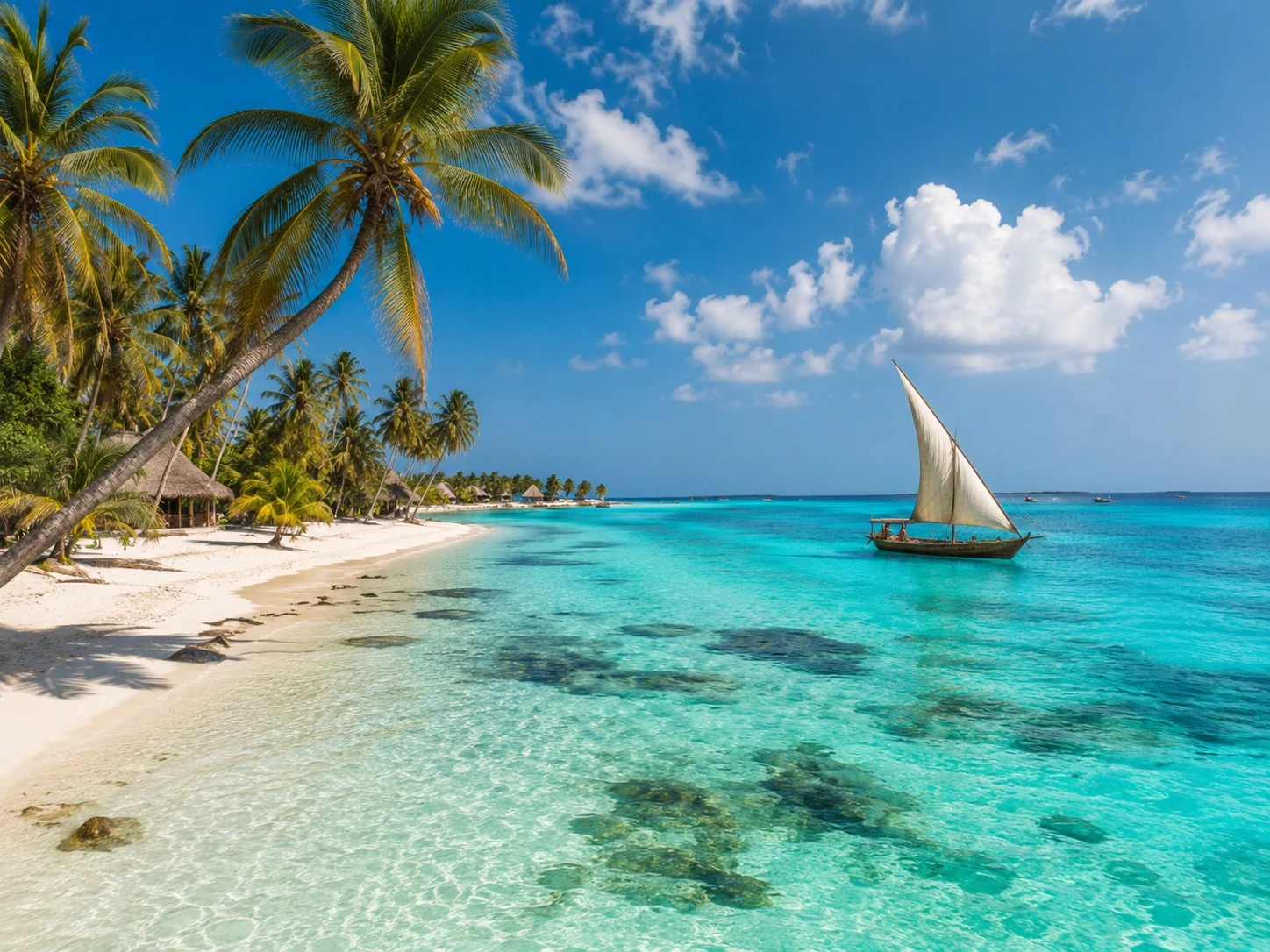
Allow for Zanzibar rainfall, tides and transfer time.
Tanzania offers rewarding safari experiences throughout the year. The right month depends on the wildlife you hope to see, your preferred pace and whether you want a beach stay afterwards. Use this calendar to choose a season, then let us match the route and accommodation to your dates.
Dry season or green season?
The long dry season, broadly June to October, is a popular choice for classic game viewing. Vegetation becomes thinner and many animals gather near water. Conditions can feel dusty, mornings may be cool and well-known parks can be busy. Book preferred accommodation early, especially if your dates coincide with school holidays.
The greener months bring changing skies, fresh landscapes and excellent opportunities for visitors interested in birds, photography and a quieter atmosphere. Rain does not mean every day is washed out: showers, road conditions and accommodation opening dates vary by location. Discuss the practical trade-offs before choosing a remote camp.
Month-by-month safari overview
January often offers warm conditions and greener plains, with migration herds commonly using the southern Serengeti ecosystem. February is associated with calving around the southern plains and Ndutu. March can still offer rich wildlife activity, but the likelihood of rain increases as the long-rain period approaches.
April is generally a wetter month, bringing lush scenery and potentially challenging roads. May is a transition month when rainfall and access should be checked locally. June usually marks a shift towards drier conditions, with migration movement often extending into the western Serengeti.
July and August are popular dry-season months. Northern Serengeti itineraries may be appropriate for travelers hoping to see the migration near river-crossing areas. September can continue to suit northern routes, while October often combines dry landscapes with good wildlife concentrations in parks such as Tarangire.
November commonly brings shorter rains and a changing migration position as grazing conditions develop. December may bring returning herds towards the south, greener scenery and busy holiday departures. These are broad patterns, not forecasts or a promise that animals will occupy a particular area on a particular day.
Plan the Great Migration around movement
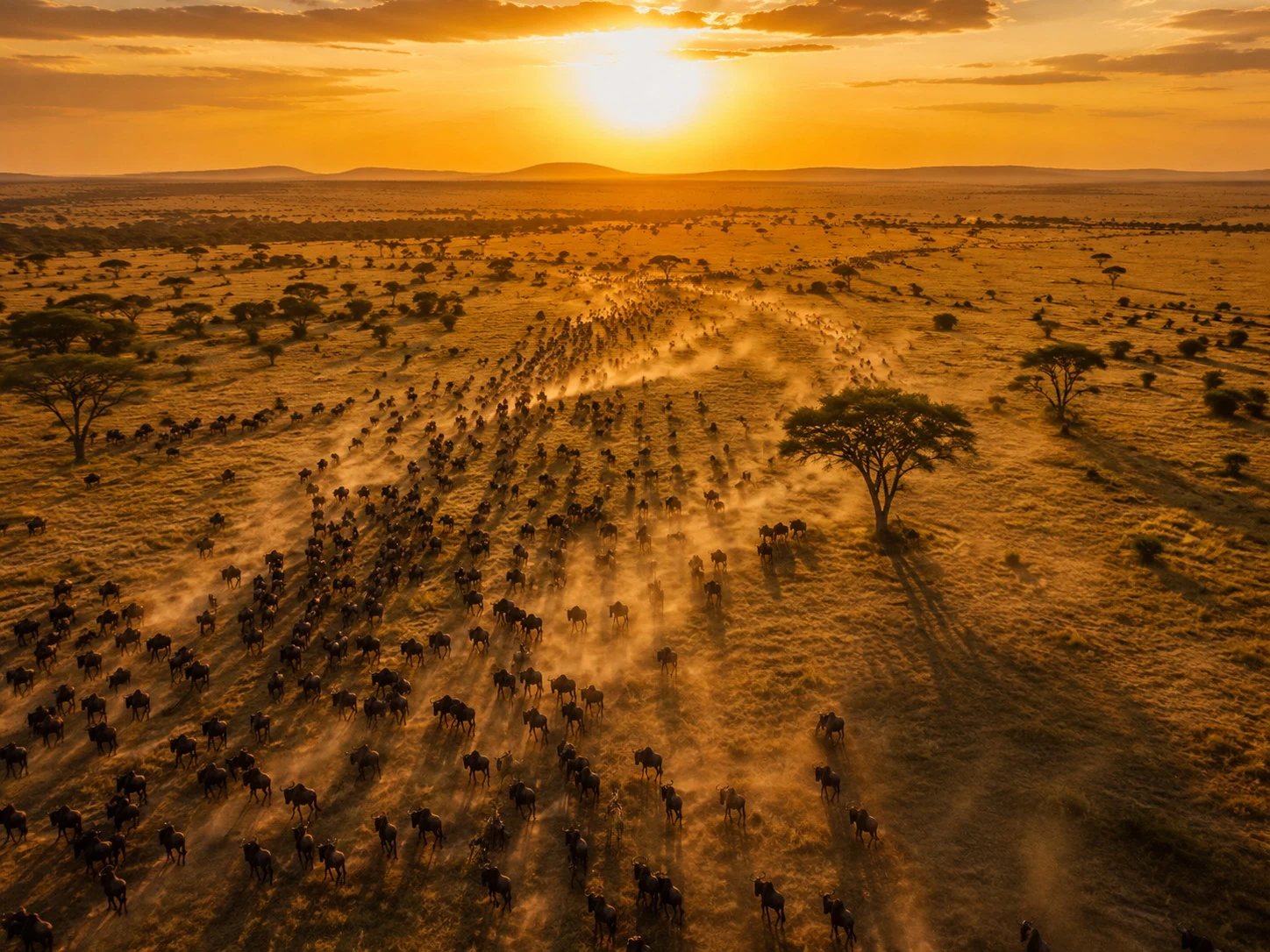
The migration is an annual movement through a large ecosystem, not a single event at one viewpoint. Calving generally makes the southern plains attractive around January to March. Western routes can be useful around May and June, while northern routes are often considered from July to October. Rainfall can move these patterns earlier or later.
River crossings are unpredictable. Herds may gather near a river without crossing, and a crossing may happen when you are elsewhere. Spend several nights in a suitable area, allow flexible game-drive time and enjoy the wider wildlife experience. Our team will discuss current routing rather than guaranteeing a crossing.
Ngorongoro and Tarangire by season
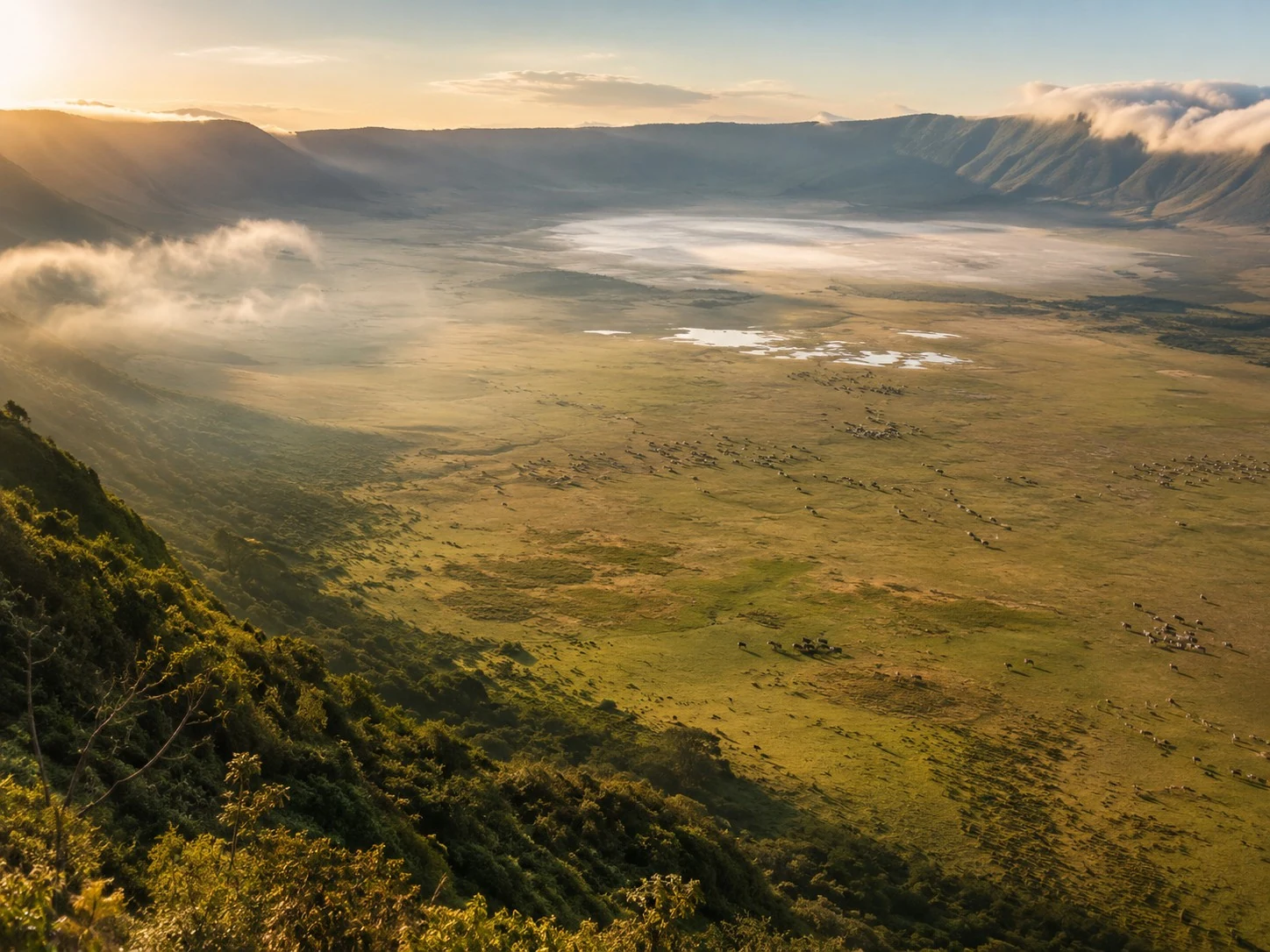
Ngorongoro Crater can work within a northern safari across much of the year. Its highland setting means mornings can be chilly even when the lowlands are warm. In greener periods, allow for wet conditions on approach roads and ask about lodge location and driving time.
Tarangire is especially valued during drier months when water becomes more important to wildlife movement. Green-season visits offer different scenery and birdlife, though animal distributions can be more dispersed. A balanced itinerary considers how each park complements the others instead of treating one month as best everywhere.
Adding Zanzibar to your safari
June to October and the warmer January-to-February period are commonly considered for beach extensions. April and May are more likely to bring prolonged rain. November can bring showers, while coastal breezes, tides and beach conditions differ around the island. Choose a beach according to swimming, snorkeling, privacy or access to Stone Town.
For a safari-and-beach journey, leave sensible transfer time between your final game drive and the flight to Zanzibar. Avoid planning an important international connection too tightly. Read our packing and entry guides, then compare packages with a route that suits your season rather than simply choosing the shortest transfer.
| Period | Safari planning | Beach planning |
|---|---|---|
| January–March | Southern migration and calving focus; rainfall varies | Warm beach conditions; check showers |
| April–May | Green scenery; check roads and camp openings | Long-rain period; flexible expectations |
| June–October | Classic dry-season viewing; northern migration routing | Popular beach season; check winds and tides |
| November–December | Short rains and changing migration routes | Warm weather with possible showers |
Useful official resources
Frequently Asked Questions
Which month is best for a first safari?
June to October is a common starting point for classic wildlife viewing, but your interests, budget and route matter. January and February may suit travelers interested in calving and a beach extension.
Can you guarantee migration crossings?
No. Herd movement and river crossings depend on natural conditions. We can recommend a suitable area and enough time there, but wildlife behavior cannot be guaranteed.
Is green season suitable for families?
It can be, with sensible routing and suitable accommodation. Discuss road conditions, children’s ages, transfer distances and indoor options before choosing your dates.
Should I book Zanzibar for the same season?
Often you can combine them successfully, but coastal weather and safari conditions differ. We will check both parts of the route and allow realistic time for the connecting flight.